THE BONITA STONE BLOG:
Travertine Pavers vs Concrete: Which Is Better for Your Patio or Pool Area?
When planning a new patio, pool area, or outdoor entertaining space, choosing the right paving material is one of the most important decisions you’ll make. The right paver enhances your home’s style, improves safety, and boosts long-term durability. Two of the most popular options are travertine pavers and concrete — but which one is the best choice for your project? In this guide, we compare both materials across appearance, performance, durability, maintenance, and cost so you can make an informed decision. Whether you’re creating a family-friendly pool area or a high-end alfresco zone, the right surface makes all the difference.
What Are Travertine Pavers?
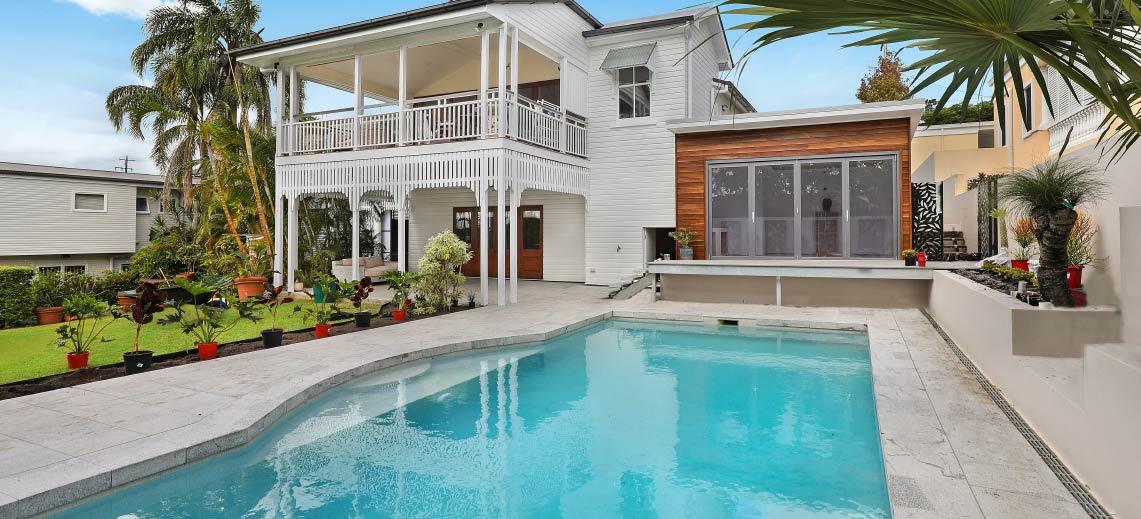
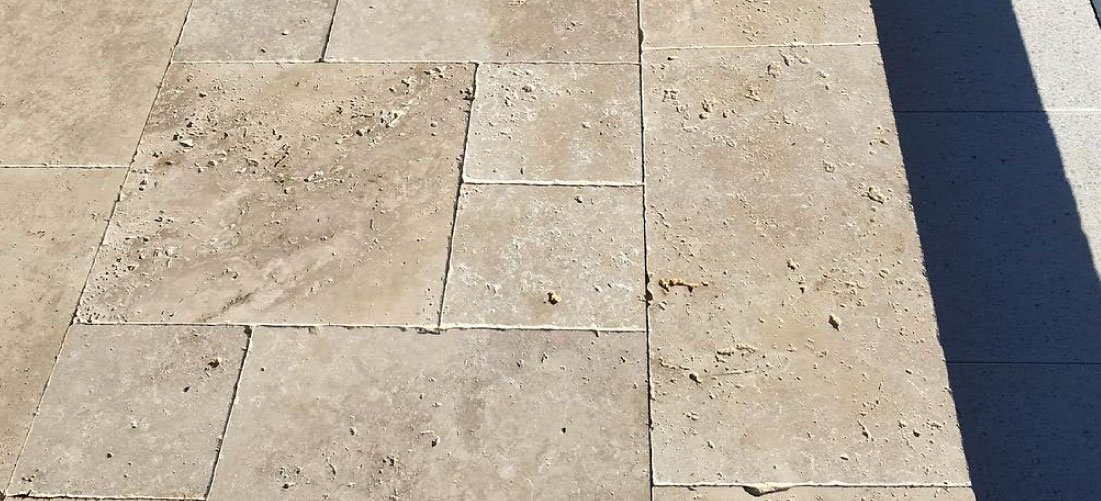
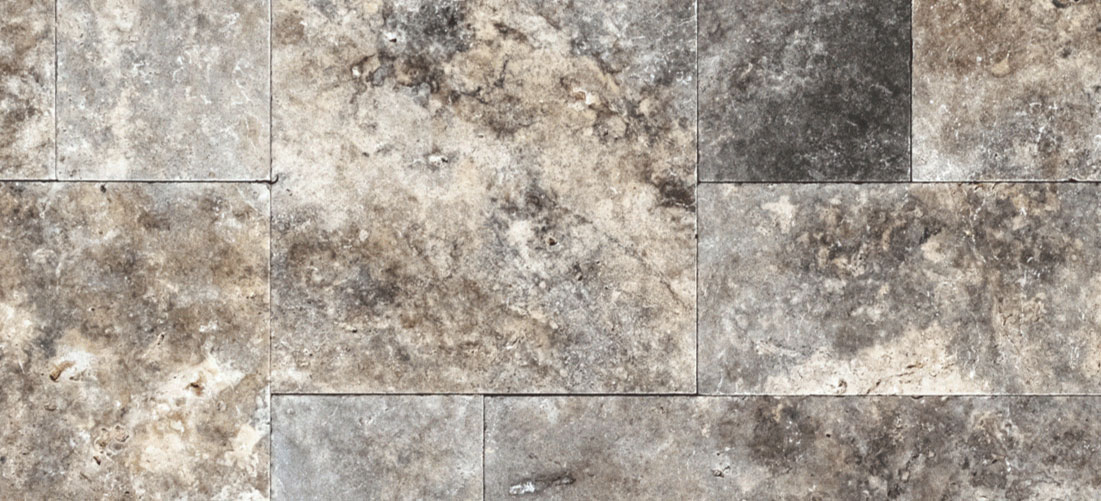
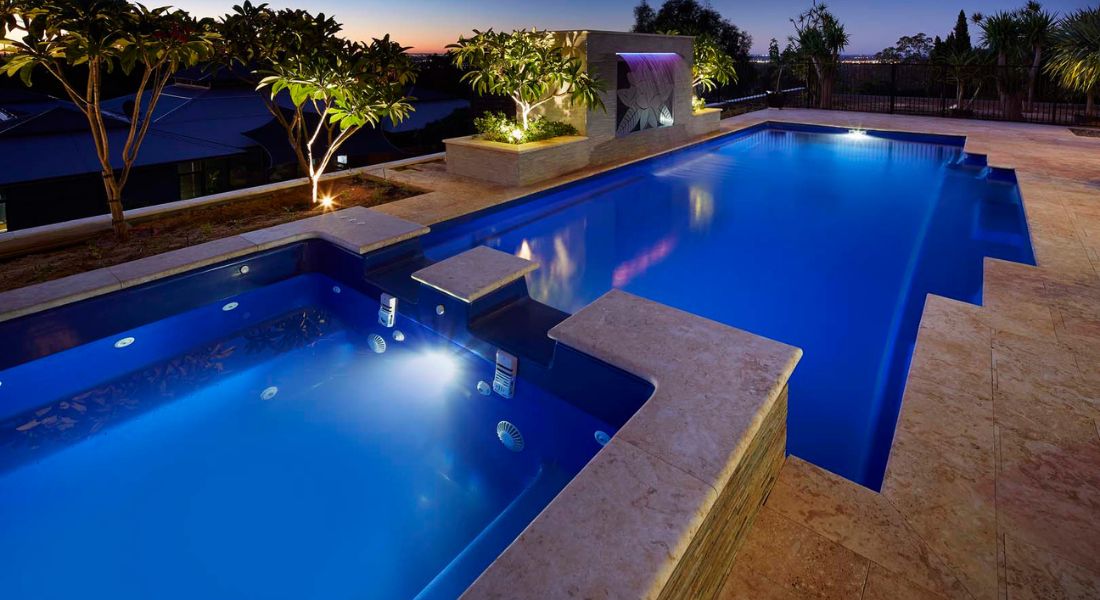
Travertine is a natural stone formed from mineral deposits, prized for its earthy colouring, subtle variations, and timeless appearance. Travertine pavers are commonly used around pool surrounds, pathways, and patios thanks to their natural coolness and slip-resistant texture.
If you’re researching natural stone options, you can explore our full range here:
What Is Concrete Paving?
Travertine is a natural stone formed from mineral deposits, prized for its earthy colouring, subtle variations, and timeless appearance. Travertine pavers are commonly used around pool surrounds, pathways, and patios thanks to their natural coolness and slip-resistant texture.
Travertine vs Concrete: Head-to-Head Comparison
1. Aesthetic Appeal
Travertine
Travertine offers a natural, organic look that instantly elevates outdoor spaces. Each stone has unique veining and colour patterns, giving your patio or pool area a premium, luxurious finish. Travertine suits modern, coastal, Mediterranean, and resort-style designs.
Concrete
Concrete can be coloured or textured, but it lacks the depth, individuality, and warmth of natural stone. Over time, coloured concrete can fade, especially in full sun. For homeowners wanting a high-end look, concrete rarely achieves the same visual impact as travertine.
2. Comfort Underfoot
Travertine
One of the biggest benefits of travertine is its natural coolness, even on hot Australian summer days. This makes it ideal for pool areas where kids and adults are barefoot. Its textured surface also provides excellent grip.
Concrete
Concrete absorbs heat quickly and becomes very hot under direct sun. This can make pool areas uncomfortable and unsafe without shade. Anti-slip additives can be applied, but they do not cool the surface.
3. Durability & Longevity
Travertine
Travertine is extremely dense and resistant to wear. When properly sealed, it stands up to saltwater, chlorine, and weather exposure. Its colour will not fade because it is naturally formed, not artificially dyed.
Concrete
Concrete is durable but susceptible to cracking due to ground movement, heat, or heavy loads. Surface coatings may chip, peel, or fade over time, requiring resurfacing every few years.
4. Slip Resistance
Travertine
Travertine pavers have a naturally slip-resistant finish, particularly in tumbled or honed styles. This makes them one of the safest materials for pool surrounds.
Concrete
Slip resistance depends on texture and additives. Smooth concrete can be slippery when wet, while broom-finished concrete offers better traction but isn’t visually appealing.
5. Maintenance Requirements
Travertine
Travertine requires sealing every few years for best protection, but overall, maintenance is low. Everyday cleaning simply involves sweeping and occasional washing.
Concrete
Concrete requires sealing as well, especially decorative or exposed-aggregate options. Stains can be difficult to remove, and repairs are more noticeable because patched concrete rarely matches the original surface.
6. Cost Difference
Travertine
Travertine is a premium material, but its long lifespan and timeless aesthetics offer strong long-term value. It also increases perceived property value due to its high-end look.
Concrete
Concrete is cheaper upfront. However, ongoing resurfacing, sealing, and repairs can make it more costly over time — particularly for high-traffic patio and pool areas.
Why Travertine Is the Better Choice for Most Patios & Pool Areas
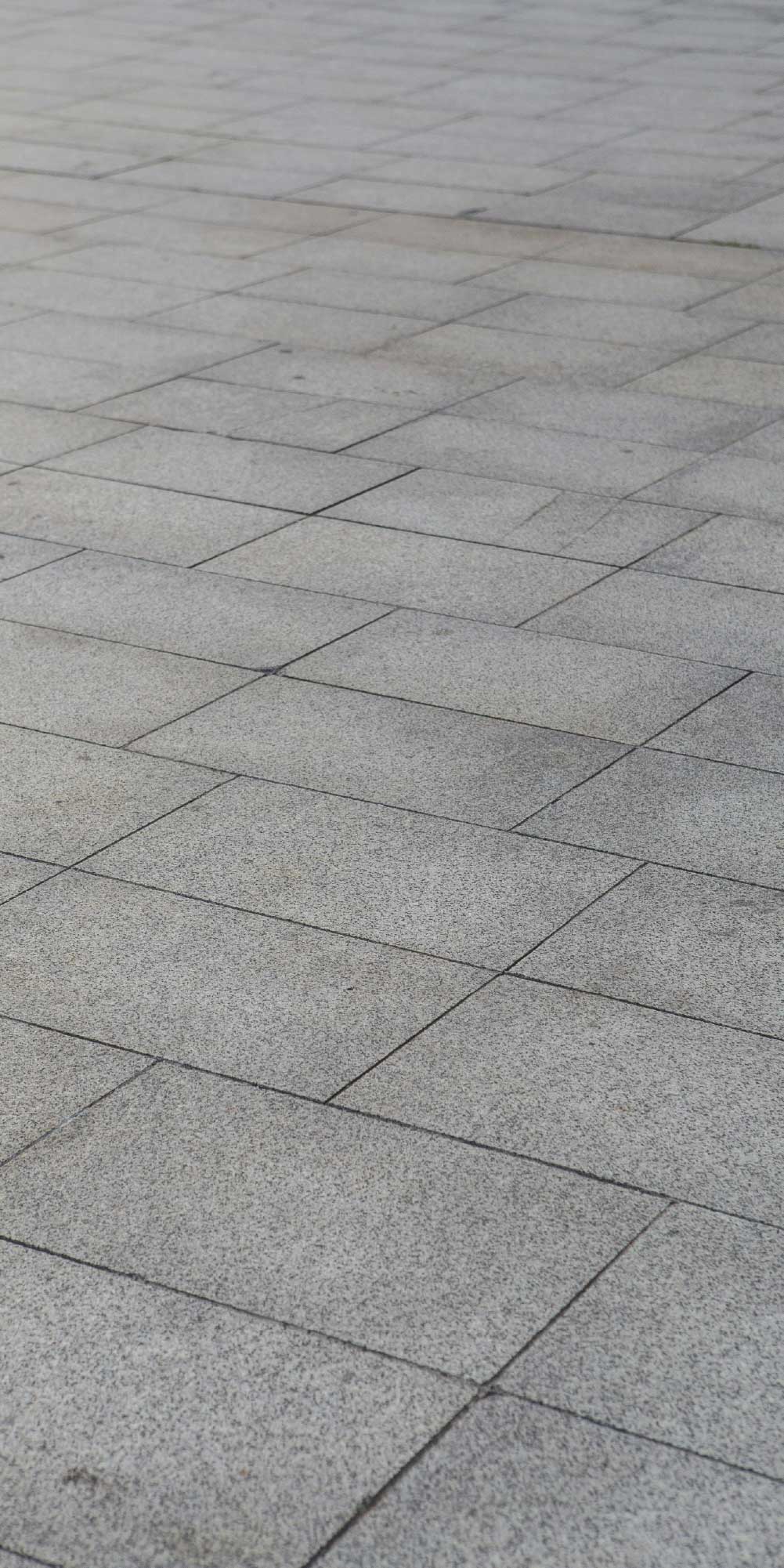
If your priority is comfort, appearance, safety, and longevity, travertine pavers outperform concrete in nearly every key category. Their natural cooling effect, anti-slip texture, and premium aesthetic make them one of the most desirable paving materials on the market.
Plus, unlike concrete, travertine will not fade or crack easily, and it enhances the overall value of your home.
For homeowners creating a luxury alfresco setting or resort-style pool area, travertine is the clear winner.
Best Applications for Travertine Pavers
- Pool surrounds
- Outdoor entertaining areas
- Patios and courtyards
- Pathways
- Garden features
- Steps and coping
If you want inspiration or product guidance, visit our Travertine Pavers page.
When Concrete Might Still Be Suitable
Concrete may be the right choice if:
- You are on a limited budget
- You need basic, functional paving for a utility area
- You require custom shapes that natural stone doesn’t provide
However, for areas where comfort and style matter — such as patios, walkways, and pool zones — most Australian homeowners prefer travertine.
Transform Your Outdoor Space with Bonita Stone
Looking to upgrade your patio or pool area with stunning natural stone?
Discover our premium range of Travertine Pavers — available in multiple colours, finishes, and sizes.
STRUGGLING TO CHOOSE THE RIGHT PAVERS?
Our experts at Bonita Stone can guide you every step of the way. Get a free quote and professional advice today.
GET YOUR FREE QUOTE