THE BONITA STONE BLOG:
Do Exposed Aggregate Pavers Need Sealing?
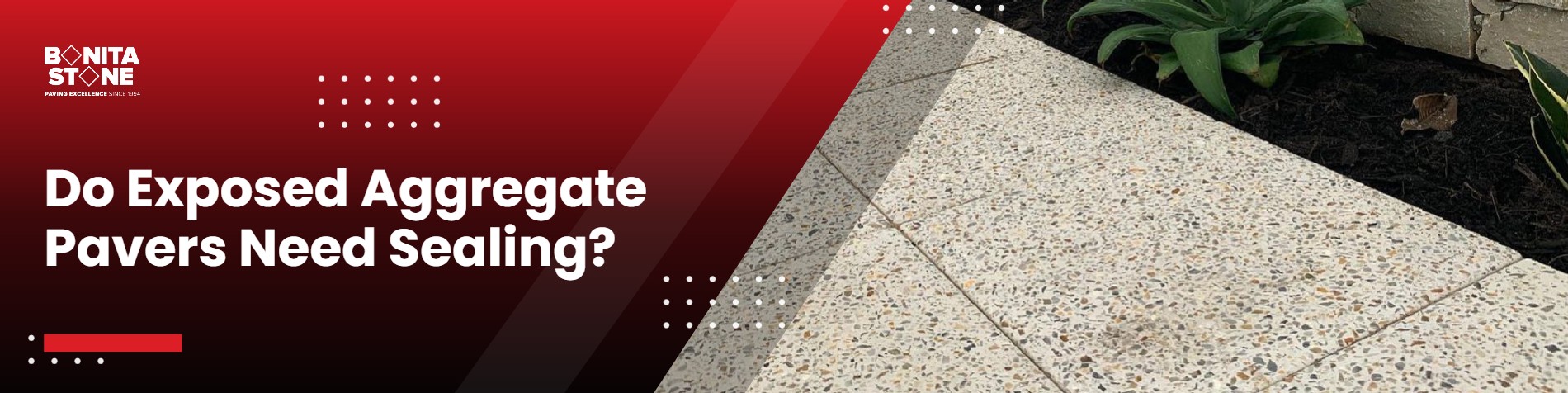
Exposed aggregate pavers are one of the toughest, lowest maintenance surfaces you can put down. So do they need sealing? The honest answer is: not always, but in the right spots a sealer makes a real difference. Here's when sealing is worth it, when you can skip it, and how exposed and honed aggregate differ when it comes to care.
Exposed vs Honed: Why the Answer Differs
Exposed aggregate pavers have a textured surface that reveals the stones in the mix, which makes them durable and slip-resistant. Honed aggregate pavers are ground smooth to show off the natural colours and patterns of the stone.
That difference matters. Exposed aggregate is low maintenance and holds up well over time, so sealing is often optional. Honed aggregate needs occasional sealing to keep its polished look.
Both finishes are part of our exposed and honed aggregate range, available in seven colours.
What a Sealer Actually Does
A good paver sealer is a layer of protection, not a fix for poor laying or drainage.
Resists Stains
Helps keep oil, food, leaves and spills from soaking into the surface.
Enriches Colour
Can deepen the natural colours of the stones in the mix.
Easier Cleaning
Dirt and grime sit on the surface, so everyday cleaning takes less effort.
When Sealing Is Worth It
Seal where stains are likely or where you want to protect a finish: driveways and carports where oil and tyre marks are common (see our comparison of pavers vs concrete driveways), alfresco and barbecue areas, pool surrounds where you want rich colour and easy cleaning, areas under trees that drop leaves and berries, and any honed aggregate paving.
When You Can Skip It
Garden paths, side access and other low-traffic areas with little staining risk often don't need sealing, especially if you like the natural, matte look of the stone. A sealer can always be added later once the pavers are clean and dry.
Pool Areas Need Grip
Around pools, slip resistance comes first. Some glossy sealers can reduce grip, so choose one designed to keep the surface slip-resistant. See our pool pavers for options suited to wet areas.
Caring for Aggregate Pavers
Sweep and hose regularly, use a mild, pH-neutral cleaner for deeper cleaning, clean spills quickly and check from time to time for loose or damaged pavers. In sealed areas, reapply the sealer as the manufacturer recommends.
Tough, Textured and Low Maintenance.
Exposed aggregate pavers made for Perth driveways, paths and pool surrounds.
Before You Seal
Clean First
Seal only once pavers are clean and completely dry.
Test a Patch
Check how the sealer changes the colour and finish first.
Keep the Grip
On pool surrounds and slopes, choose a sealer that keeps slip resistance.
Follow the Label
Application rates and drying times vary by product.
Plan for Upkeep
Sealers wear over time and need reapplying.
Seal the Joints
A joint stabilising sealer helps hold joint sand in place.
Frequently Asked Questions
Will sealing make exposed aggregate slippery?
Some glossy sealers can reduce grip. For pool areas and slopes, choose a sealer designed to keep the surface slip-resistant.
How often should aggregate pavers be resealed?
It depends on the product and how much traffic the area gets. Follow the sealer manufacturer's recommendation.
Can I seal pavers myself?
Many homeowners do. Clean the pavers thoroughly, let them dry, test a small area first and follow the product instructions.
Do honed aggregate pavers need sealing?
Yes. Occasional sealing helps maintain their smooth, polished look.
Choosing Aggregate Pavers for Your Home?
See our exposed and honed aggregate range in seven colours, or call the Bonita Stone team on 0434 086 084 to talk through the right finish for your space. Request a free quote.