THE BONITA STONE BLOG:
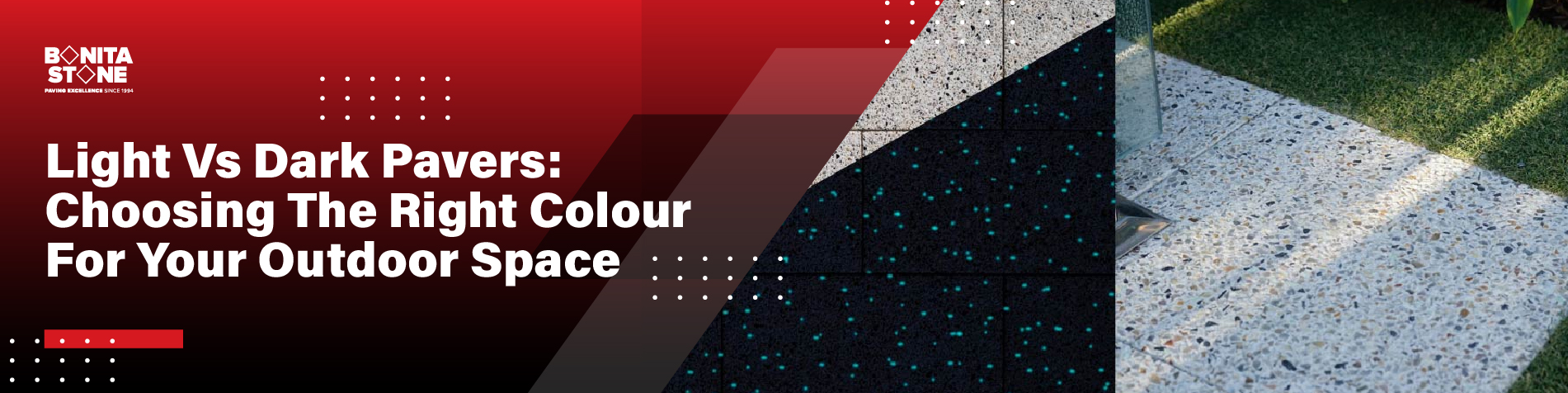
Light vs Dark Pavers: Choosing the Right Colour for Your Outdoor Space
Choosing between light and dark pavers is one of the most impactful decisions in any outdoor paving project — and one of the most frequently underestimated. Colour affects not just how your space looks, but how it feels to use: how warm underfoot it becomes in summer, how spacious or intimate the area reads, and how easily it shows dirt, pollen and everyday marks.
For Perth homeowners, the decision carries extra weight. Our climate, sun exposure and outdoor lifestyle mean paver colour has real practical consequences, not just aesthetic ones. This guide breaks down the key differences between light and dark Perth pavers — and how to choose the right tone for your specific space.
More than aesthetics
Colour Is a Performance Decision
Most homeowners choose paver colour based on how it looks in a sample or showroom. But the colour of your paving affects far more than appearances — it influences surface temperature, visual scale, maintenance frequency and how the space relates to the architecture of your home.
In Perth's climate especially, getting this decision right means your outdoor area stays comfortable and functional year-round, not just on overcast days. The right colour works with your environment; the wrong choice works against it.
The case for light pavers
Why Light Pavers Work So Well in Perth
Light-coloured pavers — creams, whites, pale greys and sandy tones — are exceptionally well suited to Perth's sun-drenched climate. Their ability to reflect rather than absorb sunlight keeps surfaces cooler underfoot, which is a significant practical advantage for pool surrounds, barefoot entertaining areas and any space that faces north or west and receives afternoon sun.
Visually, lighter tones make outdoor spaces feel more open and expansive. They reflect available light back into adjacent rooms, brightening interior spaces and creating a seamless connection between inside and out. For smaller backyards or narrow alfresco areas, this quality alone can dramatically change how the space is perceived.
Limestone pavers are among the most popular light-toned options for Perth homes — offering warm, natural cream tones with a subtle texture that suits both contemporary and traditional architecture while staying comfortable underfoot even in the height of summer.
Light, Dark and Mixed: What Each Approach Offers
Each colour approach has genuine strengths — the right choice depends on your space, climate exposure and design goals.
Light Pavers: Airy, Cool and Spacious
Light tones reflect sunlight and heat, keeping surfaces cooler and spaces visually larger. Travertine and limestone in cream or ivory tones are ideal for pool surrounds, west-facing patios and alfresco areas where comfort underfoot in summer is a priority. Light stones also pair naturally with most exterior colour palettes without competing.
Dark Pavers: Bold, Grounded and Dramatic
Dark tones — charcoals, deep greys, slate and dark browns — bring a grounded, contemporary quality to outdoor spaces. They conceal tyre marks and oils exceptionally well, making them well suited to driveways and entry areas. Dark natural stone creates striking contrast against light-coloured render, timber cladding or lush green landscaping, elevating the overall design with minimal effort.
Mixed Tones: Contrast, Depth and Zoning
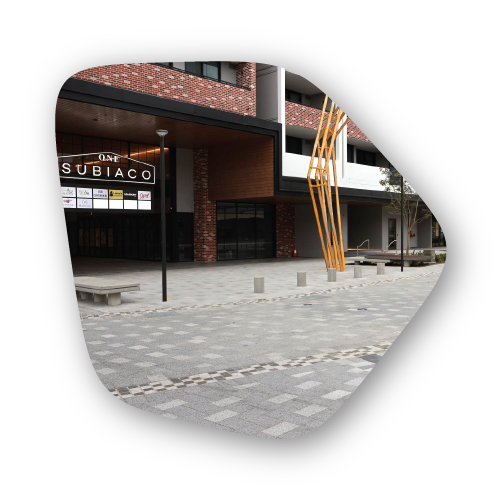
Combining light and dark pavers — a light field paver with a dark border, or alternating tones in a defined pattern — brings depth and visual interest to large paved areas. Mixed tones also serve a practical zoning function, distinguishing different areas within the same outdoor space without changing material entirely. This approach works particularly well in contemporary homes where detail and precision are valued.
Perth's Sun Changes Everything
In most climates, paver colour is primarily an aesthetic decision. In Perth, it's also a comfort and liveability decision. Australia's harsh climate accelerates the difference between light and dark surfaces — on a 35°C summer afternoon, the temperature differential between a light limestone paver and a dark charcoal paver can be dramatic. For barefoot entertaining areas, pool surrounds or any space children use regularly, this is a decision worth getting right.
Colour Sets the Tone for Everything.
The right paver colour works with your home, your climate and your outdoor lifestyle — not against them.
How to Choose the Right Paver Colour for Your Space
Five practical considerations that should inform your colour decision before you commit.
Consider sun orientation and peak heat exposure
North and west-facing outdoor areas receive the most intense afternoon sun in Perth. These zones benefit most from lighter-toned pavers that reflect heat rather than absorb it. South-facing areas or those heavily shaded by structures or trees have more flexibility with darker tones.
Match the tone to your home's exterior palette
Look at the dominant colours of your home's render, cladding, roofline and window frames. Warm-toned exteriors — creams, terracottas, timbered facades — suit warm stone tones. Cool-toned exteriors — whites, greys, dark renders — suit cooler stone tones or high-contrast dark paving. Clashing with the exterior undermines both elements.
Be realistic about maintenance expectations
Light pavers in high-traffic or leafy areas will show dirt, pollen and leaf stains more readily. Dark pavers near pools or irrigation show calcium and water marks. Knowing this upfront — and planning your maintenance approach accordingly — ensures your colour choice stays looking its best. Our guide on why paver maintenance matters covers this in full.
Think about how Perth's soil and conditions affect longevity
Colour selection should also factor in how Perth's unique climate and soil conditions will affect your chosen stone over time. Some lighter stones can be stained by iron-rich soils if not sealed correctly; some darker stones can fade under prolonged UV exposure. Knowing your material's long-term behaviour in WA conditions informs a better colour decision.
Test samples in your actual outdoor conditions
Always view paver samples in the space where they'll be installed — in both full sun and shade, at different times of day. Colours that look warm and natural in a showroom can appear starkly white or unexpectedly cool in bright outdoor light. Spending time with samples on site prevents costly surprises after installation.
There is no universally right answer between light and dark pavers — only the right answer for your specific space, your climate exposure, your architecture and how you intend to live in the area. Take the time to understand all four before you decide.
Keeping your colour looking its best
Colour-Specific Maintenance Tips
Light and dark pavers each have different maintenance characteristics. Understanding these early means you can manage your chosen colour's appearance with minimal effort. A consistent routine — as we detail in our guide on why paver maintenance matters — keeps any paver colour looking sharp year after year.
Need Help Choosing the Right Paver Colour?
The Bonita Stone team has helped hundreds of Perth homeowners navigate this decision. Whether you're drawn to the cool comfort of light limestone, the boldness of dark charcoal stone or a considered mix of both, we can help you find the right colour, material and finish for your specific outdoor space.
Trusted across Perth
The Right Choice. Every Time.
The right paver colour doesn't just look good on day one —
it keeps working for you every day after.
Whether you choose light, dark or a considered combination of both, paver colour is a decision that pays dividends when it's made thoughtfully. The spaces that work best are those where the colour was chosen to suit the specific conditions of the site — the sun, the architecture, the use — rather than simply based on what looked good in a photograph.
Perth homeowners who take the time to test, compare and consider before committing end up with outdoor spaces that feel genuinely cohesive and comfortable. The right paver colour can also meaningfully boost kerb appeal and property value — making the decision worth every moment of consideration.